

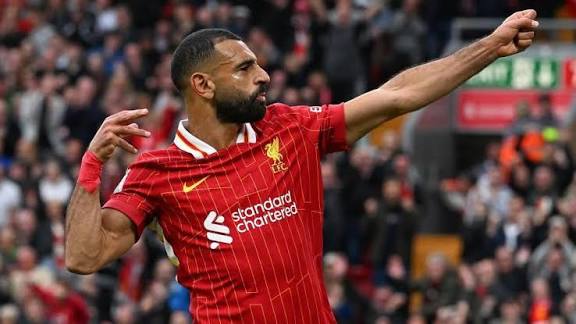

Liverpool’s recent Premier League outing was defined not only by the result but by the atmosphere surrounding Mohamed Salah’s return to the pitch, as the Egyptian forward received a notably warm welcome from supporters. At Anfield, the reception served as a reminder of Salah’s enduring status at the club and the complex relationship between elite players, fans, and moments of transition in modern football.
Salah, introduced amid growing speculation about his long-term future and Liverpool’s evolving attacking structure, was met with sustained applause that cut across the usual anxieties of form, contracts, and results. For a player who has become synonymous with Liverpool’s most successful era in recent decades, the moment reflected a broader appreciation of legacy rather than immediate performance metrics. The crowd response suggested that, regardless of tactical shifts or squad evolution, Salah’s contribution to Liverpool’s modern identity remains firmly acknowledged.
On the pitch, Liverpool delivered a composed performance, with their attacking unit functioning fluidly and efficiently. While goals and points remain the currency of the Premier League, the match also highlighted Liverpool’s ability to manage transition — blending emerging talents with established figures. Salah’s presence, even when not central to every attacking move, continues to shape defensive attention and spacing, offering value beyond statistics.
From a broader perspective, the reception underscores Liverpool’s cultural continuity under pressure. The club is navigating a phase where long-serving players are gradually giving way to a new generation, and such moments act as symbolic bridges between eras. Supporters, in turn, appear keen to reinforce stability and respect during this transition, especially for players who delivered league titles, Champions League success, and global recognition.
For Salah, the welcome carried significance beyond sentiment. In an era where elite footballers frequently face polarized fan reactions amid transfer rumors or contract negotiations, the response illustrated a relationship grounded in mutual respect. It also reinforced Liverpool’s image as a club where historical contribution carries weight, even as sporting decisions evolve.
As the Premier League season progresses, Liverpool’s ambitions remain clear — to compete at the top end of the table and maintain consistency amid intense competition. Moments like Salah’s reception may not directly influence league standings, but they reflect a club conscious of its identity while adapting to new realities. In a league often driven by rapid change, Liverpool’s ability to honor its recent past while shaping its future may prove to be an understated strength.