

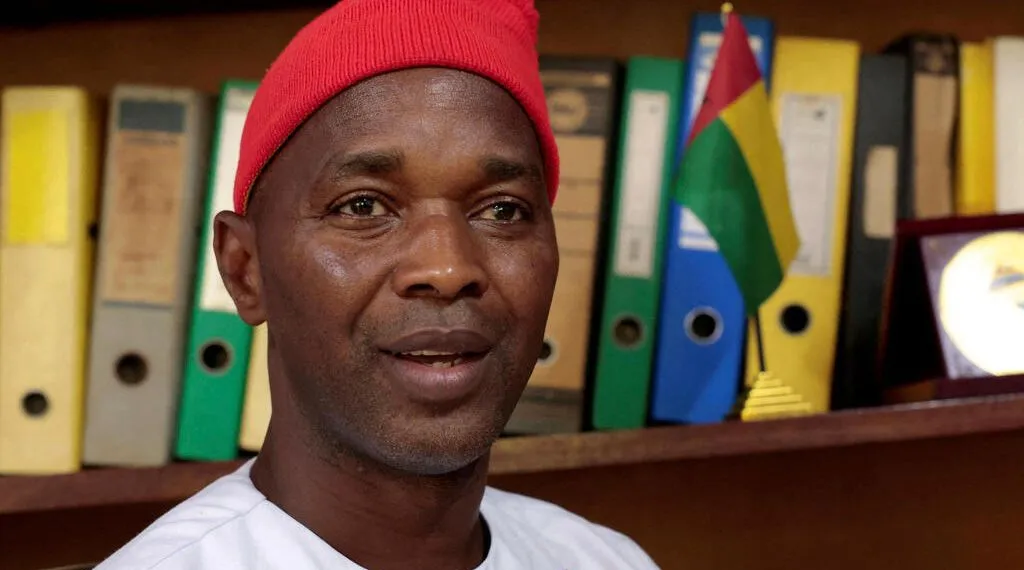

Nigeria has granted protective asylum to Fernando Da Costa, the leading opposition candidate in Guinea-Bissau’s disputed presidential election, following a military takeover in the country. The decision was reached in a bid to de-escalate regional tensions.
The intervention came after armed men in khaki seized power in Guinea-Bissau on November 23, just hours before the results of the fiercely contested election between Da Costa and incumbent President Umaro Embalo were to be announced. The junta suspended the electoral process and imposed a curfew.
In an official letter dated November 30 to the President of the ECOWAS Commission, Omar Alieu Touray, Nigerian Foreign Minister Yusuf Tuggar stated that President Bola Tinubu had approved providing Da Costa with security within the Nigerian Embassy in Bissau. The move was described as a proactive measure in response to imminent threats to his life.
“The decision… underscores our firm commitment to safeguarding the democratic aspirations and the sovereign will of the good people of the Republic of Guinea-Bissau,” the letter read. Nigeria also requested that the ECOWAS Stabilisation Support Mission in Guinea-Bissau provide additional security for Da Costa on the embassy grounds.
Explaining the action, Alkasim Abdulkadir, spokesperson for the Nigerian Foreign Ministry said: “Nigeria exercised its lawful discretion to prevent further deterioration of tensions and to promote social cohesion in Guinea-Bissau and the wider West African sub-region.” He emphasized that the intervention was guided by the significance of peace, human security, and regional stability.
The recent coup has sparked controversy, while attracting widespread condemnation across West Africa, with multiple governments and regional blocs demanding a return to constitutional order. However, a counter-narrative has emerged, with some regional figures alleging the ousted president orchestrated the crisis.
Former Nigerian President Goodluck Jonathan, who led the West African Elders Forum election observation mission, questioned the coup’s legitimacy, calling it a “ceremonial coup.” He noted that President Embalo was the first to announce his own arrest to international media before the military’s statement.
Echoing this sentiment, Senegalese Prime Minister Ousmane Sonko labelled the takeover a sham and called for the electoral commission to be allowed to declare a winner. Political coalitions supporting Da Costa have accused Embalo and his allies of staging the intervention as a last-ditch effort to halt the results announcement.
Nigeria’s grant of asylum placed it at the centre of the unfolding political drama, reaffirming its role as a regional stabilizer while the international community awaited the next steps in Guinea-Bissau’s uncertain political future.