

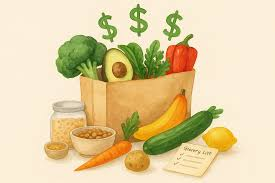

Eating healthy on a budget is possible for anyone, regardless of location or income level. The key is to focus on simple, accessible foods that provide the body with the nutrients it needs without draining your wallet.
In many Nigerian households and communities across the world, people assume that healthy eating must be expensive, but this is not true. A shift in mindset choosing basic whole foods over flashy packaged meals can make a big difference both nutritionally and financially.
One of the most effective ways to eat well on a budget is to prioritize locally available and seasonal foods. In Nigeria, foods like beans, sweet potatoes, garri, plantain, vegetables, yam, and millet are often cheaper when bought in season and can form the foundation of balanced meals.
Globally, the same principle applies: shoppers in Europe, Asia, or the Americas save money by choosing seasonal produce like apples in fall, tomatoes in summer, or root vegetables in winter. Seasonal foods are usually fresher, tastier, and more affordable.
Planning meals ahead of time is a powerful habit that reduces both food cost and food waste. When you map out what you will eat for the week whether it’s beans and rice, vegetable soups, roasted potatoes, or stir-fried vegetables you avoid impulse buying and overspending.
For Nigerians, meal planning might include drafting meals around staples such as jollof rice, moi-moi, okra soup, akamu, or boiled yam with stew. Globally, meal plans might be built around pasta, lentil soups, casseroles, and grain bowls. The more intentional you are about your meals, the more money you save.
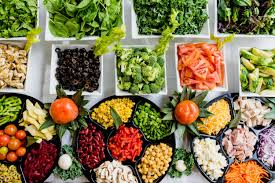
Buying in bulk is another great way to stretch your budget while making nutritious meals. Staple foods like brown rice, oats, beans, lentils, pasta, cornmeal, and whole grains often cost much less per serving when purchased in larger quantities.
In many Nigerian markets, bulk purchases of garri, rice, beans, and crayfish can reduce monthly food expenses. Internationally, supermarkets and bulk stores also offer grains, nuts, and pantry essentials at lower prices when bought in larger units. Portion and store properly to prevent waste.
Cooking at home remains one of the most powerful tools for eating healthy on a budget. In Nigeria, buying roadside snacks or fast food—such as shawarma, fried rice, pastries, or chips—can be more expensive than preparing a wholesome home-cooked meal.
This is equally true across the world, where restaurant meals often cost several times more than homemade dishes. Cooking large batches of food like bean porridge, soups, stews, or rice dishes and refrigerating leftovers helps save time and money throughout the week.
Simple meals are often the healthiest and most budget-friendly. Traditional Nigerian meals such as beans and plantain, vegetable soups with fufu, okra soup with fish, and rice with stew are nutrient-dense and cost-effective.
Globally, meals like oatmeal with fruit, vegetable stir-fries, peanut butter sandwiches, or lentil soups serve the same purpose. The idea is to keep meals uncomplicated, wholesome, and based on accessible ingredients.
Vegetables and fruits do not have to be expensive to be included in a healthy diet. In Nigeria, affordable options like ugu, waterleaf, garden egg, carrots, and cabbage can be bought fresh in local markets.
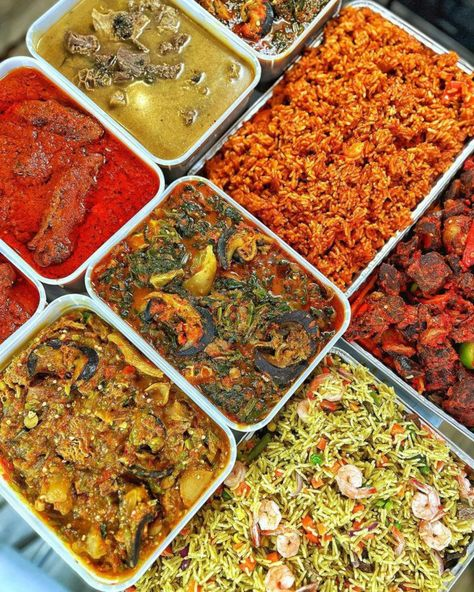
The “ugwu for ₦200” culture in many neighborhoods makes it easy to add vegetables to meals. Worldwide, people can cut costs by buying frozen vegetables, which are often cheaper but just as nutritious. Eating a variety of vegetables even if inexpensive adds vitamins, minerals, and fiber to your meals.
Protein can be one of the most expensive food groups, but there are many affordable options that fit into a tight budget. Nigerians can choose eggs, beans, groundnuts, soybeans, local fish, or even dried fish and crayfish.
These options provide high-quality protein without the expense of daily meat consumption. Globally, people rely on beans, lentils, chickpeas, tofu, or canned fish as inexpensive protein sources. Using these alternatives reduces costs while keeping meals filling and nutritious.
A practical way to save money while eating healthy is to minimize the consumption of processed foods. Packaged snacks, sugary drinks, instant noodles, and fast food may look convenient, but they are often costly and less nutritious.
In both Nigeria and other countries, processed foods can quickly increase weekly spending. Replacing them with whole foods fruits, nuts, plain yogurt, roasted maize, boiled eggs, or homemade popcorn provides healthier options at a fraction of the cost.
Shopping smartly also means comparing prices and choosing markets or stores that offer better deals. In Nigeria, many people rely on open markets for cheaper fresh food, while supermarkets often have discounts on certain items.
Globally, shoppers can compare prices between grocery stores, online markets, and discount shops to find the best deals. Making a habit of checking unit prices helps you understand which option truly saves money.
Leftovers should never be underestimated when trying to eat healthy on a budget. Turning yesterday’s rice into fried rice with vegetables, using leftover beans to make moi-moi, or transforming leftover vegetables into stir-fries can reduce waste and create new meals. Around the world, people use leftovers to prepare casseroles, soups, salads, and lunch boxes. This approach is practical, creative, and cost-effective.
Reducing meat consumption even slightly can significantly lower food costs while supporting better health. Nigerians can incorporate more plant-based meals such as yam and beans, okpa, moi-moi, or vegetable soups with fish instead of red meat. Globally, people reduce costs by opting for meatless days or replacing meat with legumes. Plant-based meals are often cheaper, healthier, and environmentally friendly.
Hydration is another important part of healthy living, and it doesn’t have to cost much. Drinking water whether from treated tap water, borehole water, or affordable bottled water is always healthier and cheaper than buying sugary drinks or sodas. Across the world, people save money by carrying reusable water bottles instead of buying beverages on the go. Water supports digestion, energy, and overall health without extra expense.
Storing food properly helps preserve freshness and reduce food waste, which is a hidden cost many people overlook. In Nigeria, drying vegetables like bitter leaf, storing grains in airtight containers, or freezing leftover soups can keep food fresh for longer.
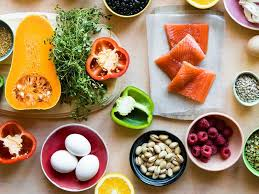
Internationally, people freeze bread, portion meats, and store vegetables correctly to prevent spoilage. Good storage habits save money by ensuring everything you buy gets used.
Finally, a healthy, budget-friendly lifestyle is built on consistency rather than perfection. It’s not about buying expensive superfoods or eating in a particular way every day. It’s about making small, sustainable choices cooking at home, choosing whole foods, staying hydrated, planning meals, and being intentional with spending. Whether in Lagos, Nairobi, London, or New York, these habits make it possible for anyone to eat well while spending less.