

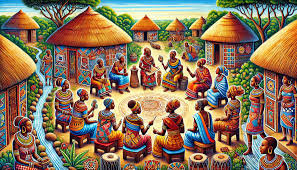

Marriage has always been one of the strongest anchors of African identity. Across the continent, it is more than a union between two individuals it is a bond between families, lineages, and sometimes even entire communities.
Traditionally, marriage symbolised continuity, social belonging, and spiritual harmony. It affirmed adulthood, strengthened kinship ties, and preserved cultural heritage. In many African societies, one’s identity was often incomplete until they took on the responsibilities of marriage and family life.
Historically, the African marriage system was rooted in collective decision-making. Families, not individuals, negotiated unions. Elders assessed compatibility, lineage, health history, and spiritual balance before approving a match. Bride price (or bride wealth), though often misunderstood, served as a cultural symbol of respect and alliance between families.
Ceremonies were communal, colourful, and deeply symbolic, with rituals that blessed fertility, prosperity, and unity. Marriage was a social institution supported by extended families who helped couples settle into their new roles.
The African family system itself functioned differently from the Western, nuclear model. It was broad and interconnected, extending beyond parents and children to include aunties, uncles, cousins, in-laws, grandparents, and even non-blood relatives who played key roles in raising children.
Responsibilities were shared: childcare, discipline, education, and financial support flowed from many directions. A child was seen not as belonging to one household but as “the child of the community.”
But the rise of modernity urbanisation, Western education, global media, and shifts in the job market has slowly reshaped these long-standing structures. Young Africans today live in cities far from home, attend schools that expose them to new ideas, and interact online with people from different cultures.
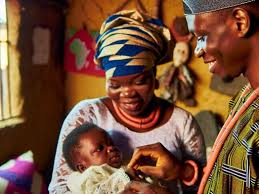
These changes have altered how they view love, courtship, gender roles, and independence. Marriage is no longer just a communal obligation; it has become a personal journey centred on compatibility, emotional connection, and shared dreams.
This shift has created new forms of tension between generations. Older family members may still emphasise tradition bride price negotiations, parental approval, ethnic considerations, and expectations of gender roles.
Younger Africans, on the other hand, may prioritise love, personal choice, equality, and career ambitions. Many find themselves torn between honouring their heritage and embracing a modern identity shaped by education, travel, and global influences.
The evolution of gender roles in African marriages is one of the most visible changes. Traditionally, men were expected to provide financially, protect the family, and lead the household, while women managed the home, raised children, and upheld cultural values.
But in today’s world of dual careers and economic pressure, these roles are shifting. More women are pursuing higher education, holding leadership positions, and sharing financial responsibilities.
These changes have introduced new dynamics sometimes empowering, sometimes challenging as couples negotiate balance, respect, and partnership in modern marriages.
Religion remains a powerful force shaping marriage across the continent. Christianity, Islam, and African traditional beliefs continue to define expectations around marriage, sexuality, divorce, and family responsibilities. Churches and mosques play central roles in premarital counselling, wedding ceremonies, conflict resolution, and moral guidance. Meanwhile, African traditional practices still influence rituals such as dowry, ancestral blessings, and cultural rites performed at weddings.
Globalisation and digital culture have also left a strong imprint. Social media influences perceptions of romance, wedding aesthetics, and lifestyle expectations. Lavish “Instagram weddings” put pressure on couples to meet costly standards.
Dating apps and long-distance relationships have diversified how people meet partners. Exposure to Western ideals sometimes challenges local customs, introducing debates about independence, feminism, cohabitation, and alternative family structures.
Economic realities unemployment, inflation, housing shortages, and high marriage costs—have also shaped modern African relationships. Many young people delay marriage because they feel financially unprepared.
Bride price, once symbolic, can become a financial burden. Families struggle to meet rising expectations for elaborate ceremonies. These pressures contribute to rising rates of delayed marriage, cohabitation, and divorce in some societies.
Parenting too has evolved. While extended family remains influential, many couples now raise children in smaller households, especially in urban areas. Parents balance tradition with modern expectations teaching children cultural values while also navigating technology, global education systems, and new social attitudes.
Yet, the proverb “It takes a village to raise a child” still rings true, as aunties, grandparents, and relatives continue to play vital support roles.
Migration both within Africa and into the diaspora has introduced even more complexity. Many Africans abroad maintain strong ties to tradition through cultural weddings, bride price ceremonies, and ethnic associations.
Others adapt by blending cultures, entering inter-racial or inter-faith marriages, and raising children with mixed identities. Long-distance marriages and families separated by travel or work have become more common, creating new emotional and cultural challenges.
Modern African society also increasingly grapples with issues viewed as taboo in traditional settings such as inter-ethnic unions, inter-faith marriages, and LGBTQ+ relationships.
While some communities remain resistant, younger generations often push for acceptance, challenging long-standing norms and expanding the definition of family.
Despite rapid changes, what remains constant is Africa’s deep respect for marriage and family. Across the continent, people continue to value unity, community, respect for elders, and the continuity of lineage.
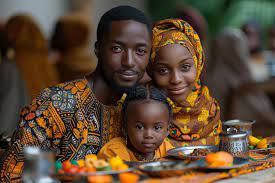
Even as traditions evolve, they are carried forward sometimes in new forms by young Africans who seek to honour their roots while embracing the future.
In this balance between old and new lies the story of modern African family life. Marriage today is neither fully traditional nor entirely modern it is a dynamic blend shaped by culture, faith, economics, and global influence.
African societies continue to adapt, creating marriages that reflect both heritage and aspiration. And as families evolve, they remain at the heart of the continent’s identity, reminding us that while cultures may change, the bonds of love and community endure.