


Nigeria’s quest to reach the 2026 FIFA World Cup received a major boost on Thursday night after the Super Eagles delivered an emphatic 4–1 extra-time victory over Gabon in the Africa playoff clash at the Stade Mohammed V in Rabat, Morocco. The crucial win, powered by a Victor Osimhen brace, kept Nigeria firmly on the qualification path after months of uncertainty and intense public criticism.
The dramatic encounter began with a tense, goalless first half, before Akor Adams broke the deadlock early in the second period, capitalising on a defensive error to put Nigeria ahead.
Gabon stunned the Super Eagles when they equalised four minutes from time, forcing the match into extra time and raising fears of another setback in Nigeria’s already turbulent qualifying journey. But Chidera Ejuke quickly restored the lead with a composed finish, calming nerves in the Nigerian camp. Moments later, Osimhen took full control of the contest, scoring twice in clinical fashion to seal the emphatic 4–1 result and propel Nigeria into the final playoff stage.
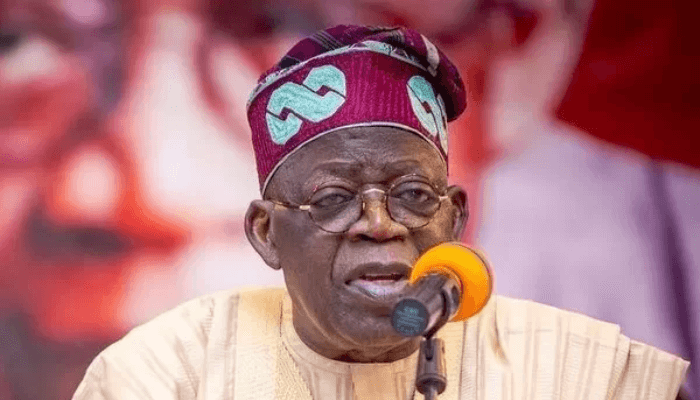
The victory was soon followed by national praise, including President Bola Tinubu’s heartfelt congratulatory message. In a statement signed by his Special Adviser on Information and Strategy, Bayo Onanuga, the President said the result reflects Nigeria’s resilience and renews the national push toward securing a World Cup ticket.
Tinubu described the performance as “a clear expression of the Nigerian character that rises, adapts, and prevails,” noting that the team played with “courage, balance, and precision.”
Tinubu further highlighted football as “one of Nigeria’s most potent symbols of unity and shared pride,” adding that the victory adds momentum to the national spirit and strengthens the country’s collective resolve to reach the World Cup finals.
He applauded the players, coaches, technical staff, and administrators for their unwavering commitment, stressing that their dedication has brought honour to the nation. He also praised the “deep pool of Nigerian talent” and commended fans at home and abroad for their loyalty, stating that their support often proves decisive.
The President urged the Super Eagles to treat the remaining qualifiers as opportunities to demonstrate discipline and character, reminding them that “millions of Nigerians remain a powerful driving force” behind the team.
He challenged the squad to sustain their momentum, saying, “This is the true Nigerian spirit of resilience against all odds. Do not stop until you secure a qualification. Super Eagles, keep soaring. The nation stands with you!”
This renewed sense of national pride comes after Nigeria endured a frustrating and inconsistent World Cup qualifying group-stage campaign one that left fans anxious and forced the Super Eagles into the playoff route.
Nigeria began the qualifiers sluggishly, recording a disappointing 1–1 draw against Lesotho in Uyo, a match widely expected to deliver a comfortable victory. The slow start set the tone for further complications.
A second match against Zimbabwe ended in another 1–1 draw, deepening concerns about the team’s lack of urgency. Nigeria’s struggle to convert chances and maintain tactical discipline became a common theme, drawing criticism from analysts, former players, and supporters who feared the team was drifting off course.
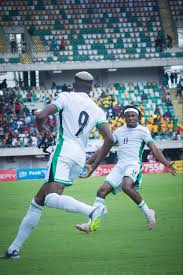
The most damaging moment came in June when Nigeria suffered a shock 2–1 defeat to Benin Republic. The loss sent shockwaves across the country and left Nigeria trailing in a group where they were favourites.
Combined with Rwanda’s unexpected strong form and South Africa’s disciplined displays, the Super Eagles suddenly found themselves outside the automatic qualification spot.
Their meeting with South Africa in Uyo, a key match that could have restored control, ended in a 1–1 draw. Though Nigeria avoided defeat, the inability to secure victory left them with only a slim chance of topping the group.
The results saw the Super Eagles slide down the standings, forcing them to rely heavily on mathematics and favourable outcomes in other matches.
Facing mounting criticism, the team responded with a dominant performance against Benin Republic in a decisive rematch. That stunning 4–0 victory – featuring a brilliant Victor Osimhen hat-trick revived Nigeria’s hopes and pushed them into the pool of top runners-up in the African qualifiers. It was this resurgence that eventually secured Nigeria a place in the playoff round where the clash with Gabon unfolded.
Gabon themselves entered the playoffs after finishing second in Group F behind Ivory Coast, and they demonstrated strong organisation and physical presence throughout Thursday’s match.
Their late equaliser showcased their determination, but extra time became the point where Nigeria’s superior depth and quality shone through, especially with Osimhen, Ejuke, and the defensive partnership of Benjamin Frederick and Calvin Bassey stepping up.
Head coach Eric Chelle also deserves praise for the tactical improvements seen in Rabat. His balanced lineup, well-timed substitutions, and renewed attacking approach helped Nigeria dominate the extra-time period. The team’s fluidity in midfield and disciplined defensive structure contrasted sharply with the disjointed performances of earlier qualifiers.
Reactions poured in from across the continent as the final whistle blew. Online, fans expressed relief and renewed optimism, flooding social media with celebratory messages and videos. Many described the victory as a turning point in a campaign that once seemed destined for failure.
The focus now shifts to November 16, when Nigeria will face either Cameroon or the Democratic Republic of Congo in the decisive playoff showdown.
The winner of that match will advance to the inter-continental playoff, where one last test awaits for a place in the 2026 World Cup. The stakes are enormous, and Nigeria will need to maintain the intensity and composure shown in Rabat.
As the road to qualification narrows, Thursday’s triumph serves as both a relief and a reminder. Despite the shaky group-stage journey marked by draws, unforced errors, and painful defeats, the Super Eagles have rediscovered their rhythm—and their fighting spirit. With Osimhen spearheading the attack, Ejuke finding confidence, and the defence growing stronger, Nigeria stands just two steps away from redemption.
In the end, the victory over Gabon is more than a scoreline; it symbolizes resilience, revival, and renewed belief. For a team that began the qualifiers under heavy criticism, the Super Eagles have shown that setbacks do not define them. What matters is how they rise and Nigeria now rises with a nation behind them, marching toward a World Cup dream that suddenly feels within reach.