

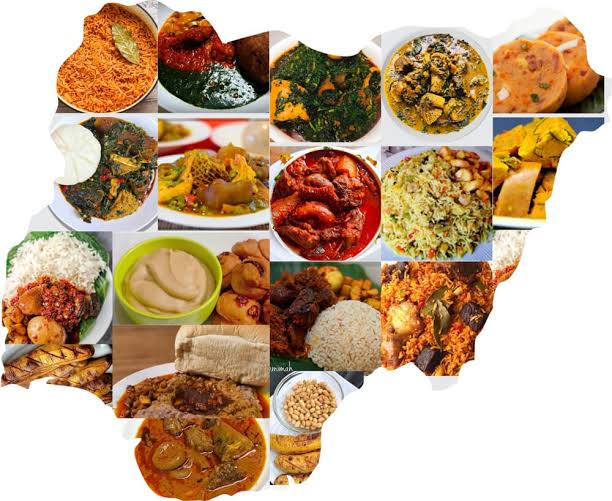

Food is more than just fuel for survival; it is a living pharmacy on our plates, a silent healer in every spoonful. Across the world, cultures have leaned on the medicinal power of meals long before hospitals, pharmacies, or supplements existed. In Nigeria, where food is deeply tied to culture, tradition, and family, meals are not only designed to fill the belly but also to nourish, heal, and protect the body from illness.
From the rich soups bubbling with herbs to the spicy stews laced with peppers, Nigerian cuisine hides a remarkable treasure chest of natural remedies that many enjoy daily without fully realizing the health benefits packed into each dish.
The saying “let food be thy medicine and medicine be thy food” takes on a deliciously authentic form when you look closely at Nigerian meals.
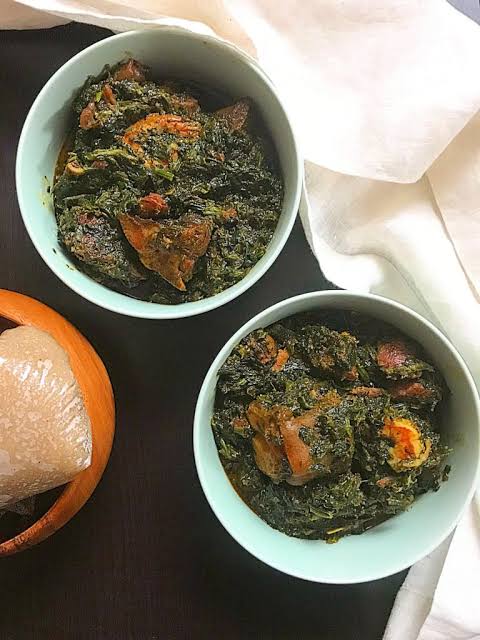
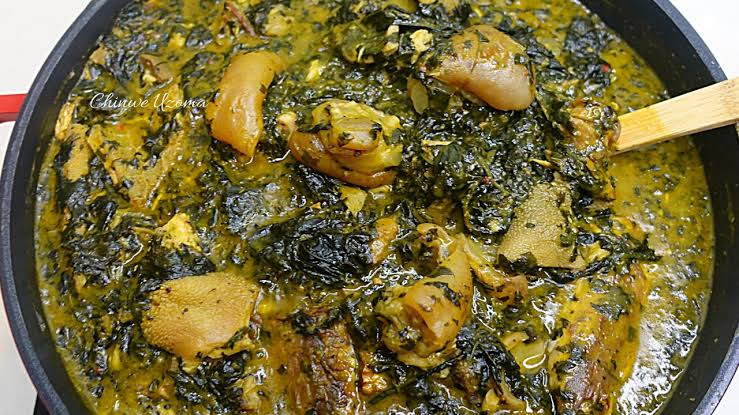
One cannot begin to discuss Nigerian food as medicine without mentioning the role of leafy vegetables, which dominate traditional meals. Dishes like Efo Riro, Edikang Ikong, or Afang Soup are not merely tasty delicacies—they are nutrient powerhouses.
Fluted pumpkin leaves (ugu), waterleaf, bitterleaf, and spinach are loaded with iron, folate, vitamin C, and antioxidants that boost blood formation, fight fatigue, and strengthen immunity.
For instance, bitterleaf, though truly bitter, is renowned for helping regulate blood sugar levels, making it a natural ally for people battling or preventing type 2 diabetes. When simmered into soups, these greens do more than tickle the taste buds—they actively fight anemia, support healthy skin, and protect against chronic diseases.
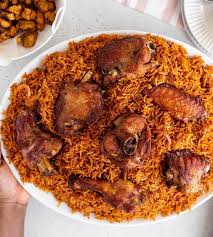
Then comes the mighty pepper, a cornerstone of Nigerian cooking. Whether it is ata rodo (scotch bonnet), chili, or bell peppers, they give Nigerian meals their fiery kick. Beyond the spice, these peppers are loaded with capsaicin, a natural compound that has anti-inflammatory, pain-relieving, and metabolism-boosting effects.
That plate of pepper soup often served to people recovering from illness is more than comfort food—it clears nasal congestion, stimulates circulation, and can even provide relief for joint pains. Capsaicin also supports heart health by improving blood flow and lowering cholesterol levels. In essence, the same fire that makes one reach for water after a bite is the very fire that heals the body silently.
Protein sources in Nigerian meals also tell a powerful story of healing. Traditional meals feature a rich variety of fish, beans, goat meat, chicken, and cowpeas, each with its own medicinal gift. Fish stews and grilled tilapia are rich in omega-3 fatty acids, essential for brain health, memory, and fighting inflammation.
Beans, whether served as moi moi, akara, or plain porridge, are packed with fiber and plant protein that stabilize blood sugar, lower cholesterol, and promote gut health.
Goat meat, leaner than beef, is a healthier alternative loaded with zinc, which strengthens the immune system and enhances wound healing. Nigerian protein sources, when eaten in balance, form a natural shield against malnutrition, heart diseases, and even cognitive decline.

Carbohydrate staples, often criticized as “too heavy,” carry their hidden health powers too. Yam, plantain, cassava, and rice are not just fillers; they play medicinal roles when consumed mindfully. Yam, rich in complex carbohydrates, provides sustained energy and is high in vitamin B6, which supports brain health and helps reduce stress.
Plantains, especially when unripe, are full of resistant starch and fiber that feed healthy gut bacteria, regulate blood sugar, and support digestive health.
Cassava leaves, often overlooked in favor of its root, contain protein and vital nutrients that can be life-saving in communities facing food scarcity. Even rice, when eaten as part of a balanced diet, provides essential B vitamins and can be fortified with vegetables to make a nourishing, healing dish.
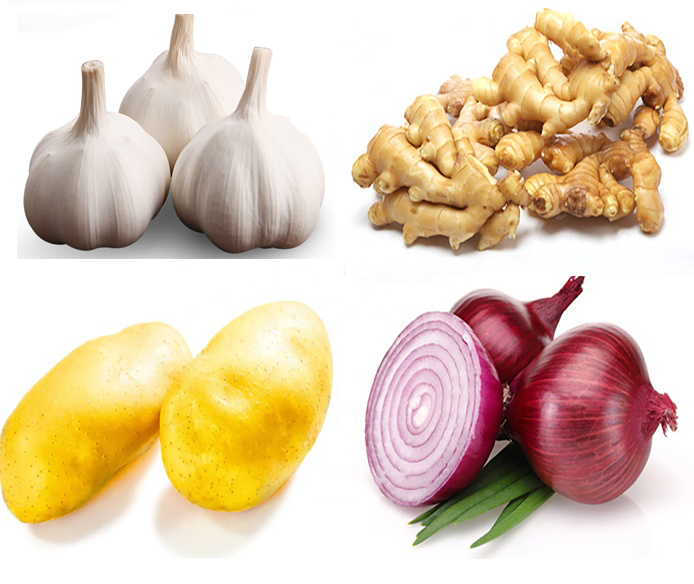
Spices and herbs used in Nigerian cooking are another layer of natural medicine. Ingredients like ginger, garlic, onions, thyme, and locust beans (iru) transform soups and stews into healing brews. Ginger reduces nausea, improves digestion, and fights inflammation.
Garlic is a natural antibiotic, lowering blood pressure and boosting immunity. Onions are packed with quercetin, an antioxidant that reduces the risk of heart disease.
Locust beans, apart from giving soups their distinct aroma, contain compounds that help lower cholesterol and manage diabetes. These are not mere seasonings; they are preventive medicines disguised as flavors, safeguarding health one meal at a time.
Fermented foods like ogi (pap), fufu, and okra soup bring probiotic benefits that support gut health and immunity. Ogi, made from fermented maize or millet, is not just a breakfast porridge—it’s a gut-friendly meal that helps restore healthy bacteria in the intestines, especially after illness.
Okra, slimy yet beloved, is rich in mucilage that soothes the digestive tract and acts as a natural prebiotic. Fermentation, a common practice in Nigerian cuisine, increases nutrient availability and enhances digestion.
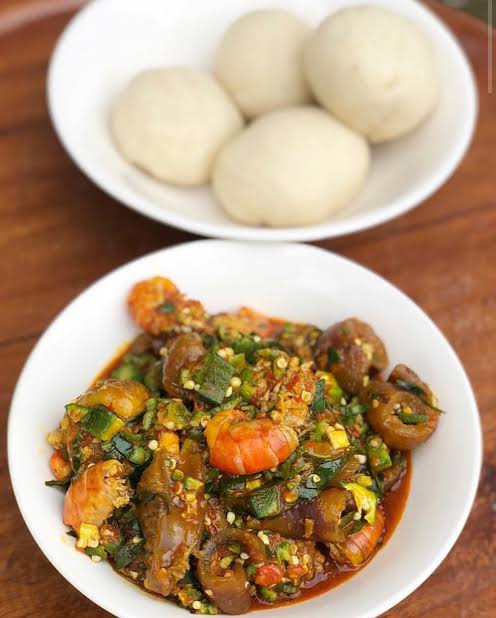
In simple terms, many Nigerian meals serve as natural digestive aids, ensuring that the body absorbs nutrients more efficiently while also reducing bloating and stomach issues.
The hidden beauty of Nigerian meals is how they also address preventive healthcare. Before pharmacies, families turned to food as the first line of defense against sickness.
Pepper soup for colds, yam pepper porridge for strength, bitterleaf soup for blood sugar control, and moringa-infused meals for general wellness—these are age-old remedies rooted in food culture.
Traditional knowledge recognized that food was a silent guardian of health, and modern science continues to confirm these truths. In many ways, Nigerian meals represent a harmony between culture, medicine, and nature, where eating well is the same as living well.
In today’s fast-paced lifestyle, dominated by processed foods and artificial additives, the wisdom of Nigerian traditional meals is more relevant than ever.
Choosing a bowl of vegetable soup over instant noodles, or a plate of beans and plantains over sugary snacks, can make the difference between vibrant health and creeping illness.
While hospitals and medications are vital, the real foundation of wellness often lies in the kitchen. By consciously embracing Nigerian meals with their hidden health benefits, families can prevent lifestyle diseases such as obesity, hypertension, and diabetes that are now on the rise.
Ultimately, Nigerian food tells us a powerful story: the cure is often hidden in plain sight, steaming on the dining table. Each spoonful of Egusi Soup, each bite of roasted plantain, and every sip of zesty pepper soup is more than culture—it is therapy, prevention, and healing intertwined.
To see Nigerian meals only as sustenance is to underestimate their power. They are nature’s gift, carefully wrapped in culture, flavor, and tradition.
Truly, food as medicine is not just a global slogan; in Nigeria, it is a daily reality served in bowls, plates, and calabashes, nourishing not just the body, but the very soul.