

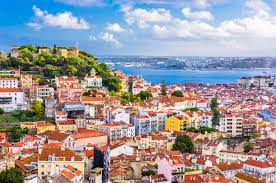

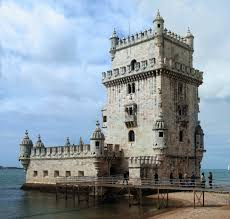
Portugal is a country blessed with breathtaking landscapes and a rich cultural heritage that spans centuries. One of its most iconic landmarks is the Belém Tower in Lisbon, a UNESCO World Heritage Site that once guarded the entrance to the city’s harbor during the Age of Discoveries. Built in the 16th century, the tower is a masterpiece of Manueline architecture, adorned with maritime motifs such as ropes, anchors, and exotic animals. Today, it stands as a proud symbol of Portugal’s golden era of exploration and attracts visitors from around the world who come to admire both its beauty and historical significance.
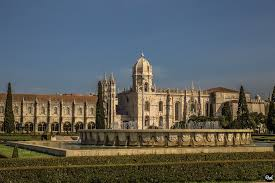
Portugal is truly a great country in Europe, another spectacular attraction is the Jerónimos Monastery, also located in Lisbon. This monumental structure was built to commemorate Vasco da Gama’s successful voyage to India and is one of the finest examples of Manueline architecture in Europe. Its intricate carvings, grand cloisters, and richly decorated chapels showcase Portugal’s artistic mastery during the 16th century. Beyond its architecture, the monastery is a place of reflection on Portugal’s maritime past, and many important figures, including Vasco da Gama and Luís de Camões, are entombed here.
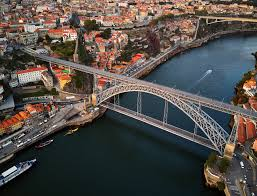
Moving north, Porto offers a different kind of charm with its dramatic riverfront, colorful houses, and famous wine cellars. The Dom Luís I Bridge, an iron masterpiece designed by a student of Gustave Eiffel, connects the city with Vila Nova de Gaia, where visitors can explore centuries-old wine lodges. Porto is also the birthplace of Port wine, and tasting sessions by the Douro River are a highlight for travelers. The city’s Ribeira district, with its narrow cobbled streets, cafes, and vibrant nightlife, makes Porto a spectacular blend of tradition and modernity.
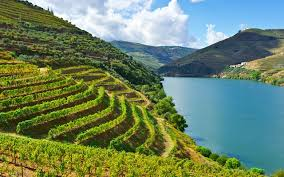
No visit to Portugal is complete without experiencing the Douro Valley, one of the oldest wine regions in the world and another UNESCO World Heritage Site. The valley is renowned for its terraced vineyards that stretch along the winding Douro River, creating a landscape of extraordinary beauty. Visitors can embark on river cruises, enjoy wine tastings at family-owned quintas (estates), and marvel at the natural scenery. The valley is particularly breathtaking in autumn when the vineyards turn shades of gold, red, and orange.
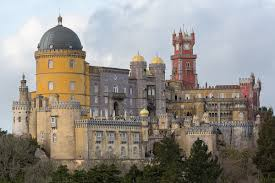
Portugal is also home to Sintra, a fairytale town nestled in the hills just outside Lisbon. Known for its romantic palaces, lush gardens, and mysterious forests, Sintra is a place where history and legend intertwine. The most spectacular site here is the Pena Palace, a brightly colored castle that looks like it came out of a storybook. With its mix of Gothic, Renaissance, and Moorish styles, the palace reflects Portugal’s eclectic heritage. Nearby, the Quinta da Regaleira enchants visitors with its mystical gardens, secret tunnels, and the famous Initiation Well.
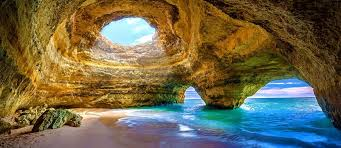
For those who love coastal beauty, Algarve in southern Portugal is simply breathtaking. Famous for its golden beaches, dramatic cliffs, and turquoise waters, the region is a paradise for sun-seekers and adventurers alike. The Benagil Cave, with its natural skylight and sandy beach hidden inside, is one of the most photographed spots in Portugal. The Algarve also offers excellent hiking along the cliffs, charming fishing villages like Lagos and Albufeira, and fresh seafood that is among the best in Europe.
Portugal’s second-largest island group, the Azores, is another spectacular destination. Located in the middle of the Atlantic Ocean, the Azores are a paradise for nature lovers, offering volcanic craters, lush green landscapes, hot springs, and whale watching opportunities. The island of São Miguel, known as the “Green Island,” is home to the stunning Sete Cidades Lakes, twin crater lakes that shine in shades of blue and green. With hiking trails, geothermal baths, and unspoiled beauty, the Azores remain one of Europe’s best-kept secrets.
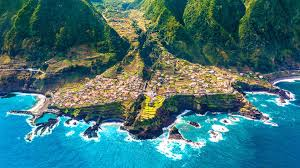
Equally captivating is Madeira, known as the “Island of Eternal Spring” due to its mild climate year-round. Madeira offers dramatic mountain landscapes, terraced vineyards, and the famous Laurisilva forest, a UNESCO World Heritage Site. The capital city, Funchal, is lively and colorful, with beautiful gardens, markets, and cable car rides that provide breathtaking views of the island. Madeira is also renowned for its wine, levada walks (irrigation channel trails), and the thrilling toboggan rides down steep streets in wicker sleds pushed by locals.
Culturally, Portugal’s music adds to its list of spectacular treasures. Fado, a soulful genre of music that originated in Lisbon, is considered the voice of Portuguese identity. Performed in small taverns or dedicated Fado houses, this music reflects themes of longing, love, and nostalgia, known locally as saudade. Legendary performers like Amália Rodrigues brought Fado to international fame, and today, listening to it live in Lisbon’s Alfama district or in Coimbra is one of the most emotional and unforgettable experiences Portugal offers.
Lastly, Portugal’s culinary scene is nothing short of spectacular. From the world-famous Pastéis de Nata (custard tarts) in Lisbon to hearty dishes like bacalhau à brás (codfish with eggs and potatoes) and caldo verde (green soup), Portuguese cuisine is a blend of tradition and flavor. Seafood lovers will be delighted by the abundance of fresh fish and shellfish, especially in coastal regions. Pairing meals with Portuguese wines, whether from the Douro Valley, Alentejo, or Madeira, completes the experience. Food in Portugal is not just sustenance—it is a cultural expression deeply tied to its people and history.